
Big sibling, little sibling: playing together without comparing scores
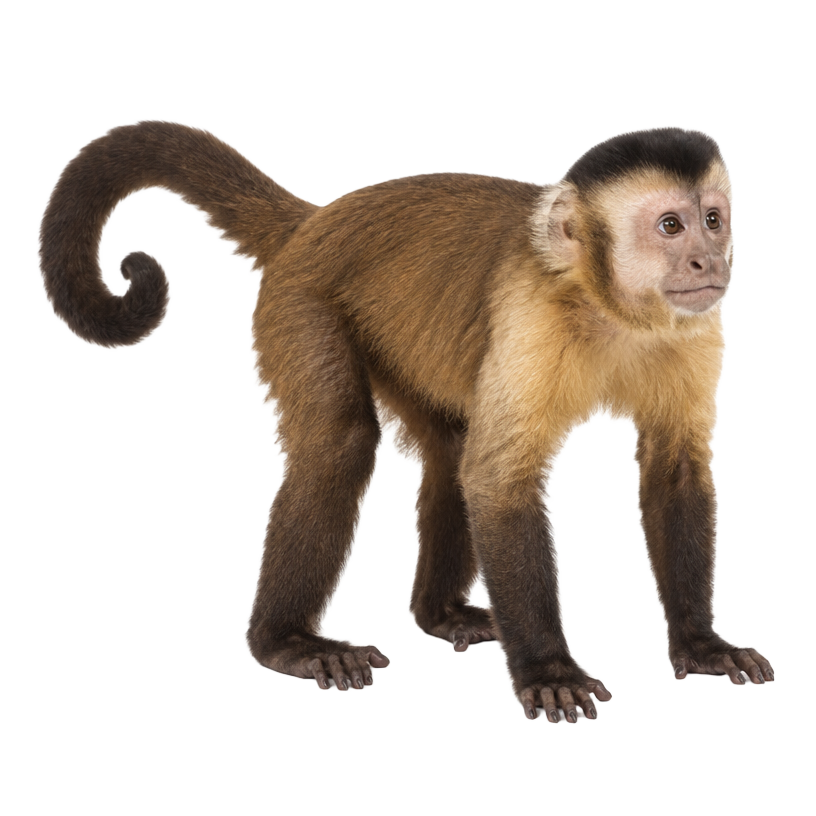
Children of different ages can enjoy the same picture for very different reasons. A younger sibling may want to hear an animal; an older one may invent a story about it. Shared play works better when both can contribute without being compared. You do not need matching abilities, equal numbers of taps or a winner. A flexible activity can leave room for each child’s interests.
Give everyone a meaningful role
One child can choose the animal and another can make up a sound or a story. Offer roles instead of assigning the older child to teach constantly. Younger children are not obliged to follow every suggestion. An adult remains responsible for supervision and can change the activity when either child needs help, attention or a break.
Choose a shared theme, not equal difficulty
An animal, a vehicle or a daily routine can connect different ages without giving everyone the same task. If you use gugiboard together, one child might activate a picture while another narrates. Keep the device stable and avoid competing hands on a small screen. If sharing it is uncomfortable, switch to a book or separate physical materials.
Do not use taps as a scoreboard
Little favorites describes recorded board interactions on the device. It does not identify each sibling or show who has learned more. A higher count is not a better result, and faster completion does not make one child more capable. Avoid using the report to compare siblings or to reward the child who presses the most targets.
Invite help without handing over responsibility
An older child can demonstrate an action when invited, but should not have to manage a sibling’s emotions or finish the game for them. Model “Would you like help?” and accept “No.” If an interaction becomes tense, an adult can step in. Caring for a younger child is not the price an older sibling must pay to participate.
Build something both can change
Away from the screen, use large blocks, paper or age-appropriate soft toys to create a home for an animal. One child may place a toy while the other draws a tree. Keep small pieces away from younger children and supervise the whole activity. Different contributions can belong to one project without ranking which was more impressive.
Make separate play an acceptable ending
Together is not always better. One child may want quiet while another wants movement, or both may need their own space. End the shared activity kindly and offer another option when possible. These suggestions do not guarantee harmony; they create room for cooperation while respecting differences. Keep an adult present, especially when the age range includes babies or very young children.
Source and privacy
More play ideas
- Toddler browser games: a caregiver’s guide to shared play
- Colors and shapes for toddlers: simple ways to play together
- English and Spanish animal play: words, sounds and movement
- Play that moves on by itself: auto-advance and idle friends
- See what your toddler taps most—and hide it with one tap
- A visual tour of gugiboard: boards, Baby Games and Little favorites
- First words with jungle animals: lion, elephant, monkey and friends
- Alphabet play in two languages: from A for Apple to Ñ
- Happy, sad, surprised: naming feelings with toddlers
- Eyes, nose, hands: body parts games for toddlers
- Kindness through play: rescue stories for little helpers
- Cause and effect: why busy boards fascinate babies
- Music and sounds for babies: instruments, animals and soft songs
- Wake up to bedtime: teaching daily routines with Tiny House
- Tap, drag, draw: little fingers and fine motor play
- Healthy screen habits for toddlers: short, shared and balanced
- Play ideas by age: how gugiboard grows with your child from 0 to 7
- Counting with stars: first numbers through play
- Red, blue, yellow: learning colors step by step
- Circles, stars and hearts: finding shapes all around us
- Raising bilingual children at home: simple daily habits
- Sensory play for babies: lights, sounds and gentle movement
- gugiboard for children aged 4 to 7: from play to early learning
- “Great job!”: celebrating effort, not just results
- Calm moments: helping little ones through big feelings
- Meet the gugiboard chameleon: friendly characters that invite play
- From an animal picture to a story: reading picture books together
- Your turn, my turn: sharing play without a race
- Inside, outside, above and below: discovering spatial words
- Red, blue, red: noticing patterns without worksheets
- Where shall we go? Pretend journeys with vehicles and stories
- “What do you notice?” Questions that leave room for curiosity
- One last turn: helping children move from play to the next activity
- Different ways to join in: adapting shared play to your child
- A little garden story: noticing plants and practising care