
English and Spanish animal play: words, sounds and movement
Animal play gives you something concrete to point to, name and imitate. A picture, a recording and a movement can become three different ways to share the same animal with your child.
Start with a familiar animal
Open Jungle Animals and pick one animal your child already knows from a book or everyday life. Tapping shows an enlarged animal picture. Name it in the language you normally use together before adding another word.
Useful pairs include dog / perro, cat / gato, lion / león and elephant / elefante. You do not need to introduce all of them at once.
Separate the name from the sound
Jungle Animals combines animal images with feedback. The Sounds board is different: its animal and instrument targets play recordings instead of saying the selected word. Use that difference deliberately: first name an animal, then listen together.
Ask an open invitation such as “Shall we listen again?” rather than demanding an answer. Keep the volume comfortable, and use mute whenever quiet play feels better.
Switch languages without turning it into a test
The EN/ES control changes gugiboard’s labels and spoken words. You can repeat an animal in the second language while keeping the same picture in view. Say a short phrase such as “a big elephant” or “un elefante grande”.
There is no need to correct every pronunciation or alternate languages on every turn. Follow your family’s own language habits and your child’s interest. The app is a play companion, not a language assessment.
Give the words a movement
Put the device aside and stretch one arm like an elephant’s trunk. Walk slowly like a large animal, or quietly pretend to be a cat. Describe the movement in whichever language feels natural.
- Choose one animal picture together.
- Say its name and, if useful, the name in the other language.
- Listen to its recording where available.
- Continue with a movement or find the animal in a book.
Make space for real conversation
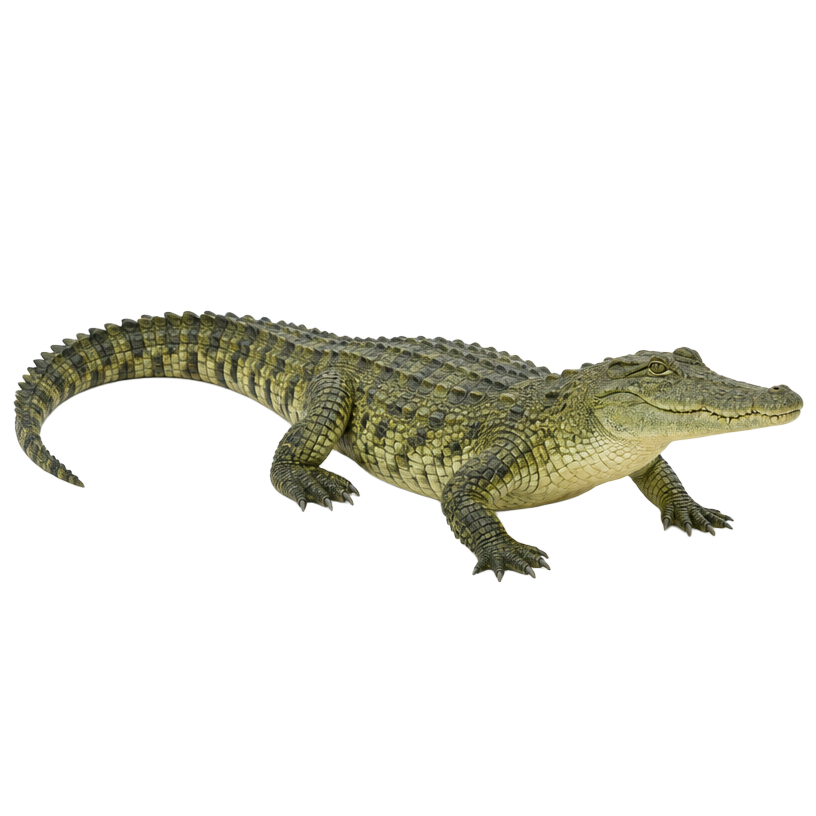
If your child likes the crocodile picture, look for a crocodile in an illustrated book and compare what you notice. Let pointing and gestures count as participation; no spoken response is required.
Keep shared screen play brief and optional. WHO recommends no sedentary screen time for one-year-olds and at most one hour for two-year-olds, with less being better. These ideas do not guarantee bilingual fluency or replace advice from a qualified professional.