
Eyes, nose, hands: body parts games for toddlers
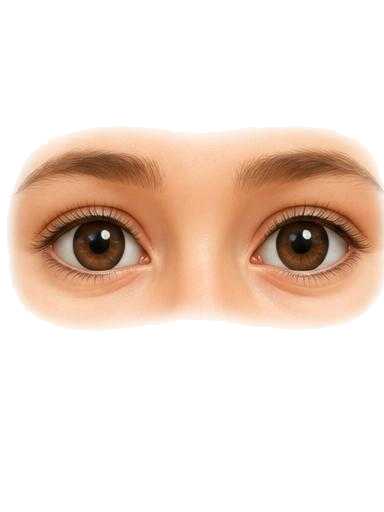
“Where is your nose?” is one of the oldest games in the world, and for good reason. Toddlers love discovering their own bodies, and each part comes with a word to learn.
Learning starts with “me”
Children are naturally curious about their own bodies. Linking a picture of eyes to their own eyes turns an abstract word into something they can touch.
Clear illustrations
The Body Parts board uses simple, clear drawings—eyes, ears, nose, mouth, hands, feet and more—plus actions like clapping and eating. Each tap names the part in the selected language.
Point and touch
Tap a picture, then touch the same part on yourself and on your child.
- Tap “eyes” and blink together.
- Tap “hands” and clap.
- Tap “feet” and stomp.
Songs make it stick
Songs like “Head, Shoulders, Knees and Toes” or “Cabeza, hombros, rodillas y pies” are perfect follow-ups. Sing them in both languages to reinforce what the board introduced.
See what they love
Little favorites shows which body parts your child taps most. If “eyes” is always first, you can hide it with one tap so other parts get attention too.
Source and privacy
More play ideas
- Toddler browser games: a caregiver’s guide to shared play
- Colors and shapes for toddlers: simple ways to play together
- English and Spanish animal play: words, sounds and movement
- Play that moves on by itself: auto-advance and idle friends
- See what your toddler taps most—and hide it with one tap
- A visual tour of gugiboard: boards, Baby Games and Little favorites
- First words with jungle animals: lion, elephant, monkey and friends
- Alphabet play in two languages: from A for Apple to Ñ
- Happy, sad, surprised: naming feelings with toddlers
- Kindness through play: rescue stories for little helpers
- Cause and effect: why busy boards fascinate babies
- Music and sounds for babies: instruments, animals and soft songs
- Wake up to bedtime: teaching daily routines with Tiny House
- Tap, drag, draw: little fingers and fine motor play
- Healthy screen habits for toddlers: short, shared and balanced
- Play ideas by age: how gugiboard grows with your child from 0 to 7
- Counting with stars: first numbers through play
- Red, blue, yellow: learning colors step by step
- Circles, stars and hearts: finding shapes all around us
- Raising bilingual children at home: simple daily habits
- Sensory play for babies: lights, sounds and gentle movement
- gugiboard for children aged 4 to 7: from play to early learning
- “Great job!”: celebrating effort, not just results
- Calm moments: helping little ones through big feelings
- Meet the gugiboard chameleon: friendly characters that invite play